Understanding Loneliness: Causes, Signs, and Its Impact on Mental Health
By adminpsy

Introduction
Loneliness is a feeling that almost everyone experiences at some point in life. It can occur during major life changes, after losing an important relationship, when moving to a new place, or even while being surrounded by family, friends, or colleagues. Although loneliness is a normal human emotion, persistent loneliness can affect a person’s emotional well-being, relationships, daily functioning, and overall mental health.
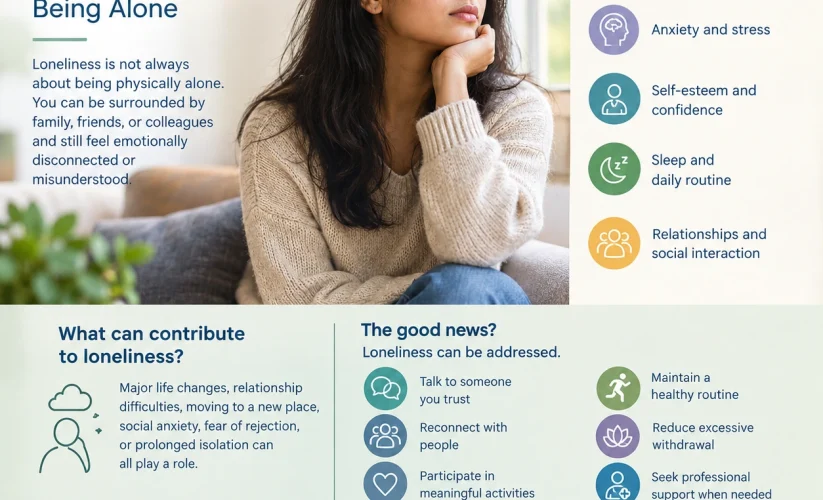
Many people assume that loneliness simply means being alone. However, this is not always the case. A person can spend a lot of time with others and still feel lonely if they do not experience meaningful emotional connection or feel understood by the people around them.
Understanding loneliness, recognising its signs, and addressing its underlying causes can help prevent it from becoming a long-term source of emotional distress.
What Is Loneliness?
Loneliness is the emotional experience of feeling disconnected from other people or feeling that your existing relationships do not provide the level of connection, understanding, or support you need.
Being alone and feeling lonely are different experiences. Some people enjoy spending time alone and may find solitude peaceful and refreshing. On the other hand, someone may have several friends or family members around them but still feel emotionally isolated.
Being Alone | Loneliness |
May be a personal choice | Usually involves an unwanted feeling of disconnection |
Can feel peaceful or relaxing | Can feel emotionally painful |
Does not necessarily affect mental health | Persistent loneliness may affect mental well-being |
A person may enjoy solitude | A person may want greater emotional connection |
Occasional loneliness is generally a normal response to changes in life. However, when the feeling continues for a long time or starts affecting everyday life, it may be important to understand what is contributing to it.
Loneliness and Social Isolation: Are They the Same?
Loneliness and social isolation are closely related, but they are not the same.
Social isolation generally refers to having limited social contact or few relationships. Loneliness is a person’s subjective experience of feeling disconnected.
For example, someone who has recently moved to a new city may have very few social contacts and therefore experience both social isolation and loneliness.
In contrast, someone may have a large group of friends, regularly attend social events, and still feel lonely because they do not feel emotionally understood or connected.
This distinction is important because simply increasing the number of social interactions may not always resolve loneliness. Meaningful and supportive relationships are often more important than the number of people someone interacts with.
What Causes Loneliness?
There is no single cause of loneliness. It can develop because of changes in relationships, lifestyle, environment, emotional health, or personal circumstances.
Major Life Changes
Burnout is not only an emotional experience. Prolonged stress can also leave you physically exhausted.
Possible experiences include:
- Persistent tiredness
- Low energy
- Headaches
- Muscle tension
- Changes in sleep
- Feeling physically heavy or sluggish
- Reduced ability to recover after demanding days
If physical symptoms are persistent or severe, they should not automatically be attributed to burnout. Other medical conditions can cause fatigue and related symptoms, so appropriate medical evaluation may be important.
Relationship Problems
Difficulties within relationships can also contribute to loneliness. Constant conflict, rejection, bullying, separation, or emotionally distant relationships may leave a person feeling disconnected.
Someone can be in a relationship and still experience loneliness if they feel that their emotional needs are not being recognised or understood.
Living Alone
Living alone does not automatically mean that someone is lonely. Many people enjoy living independently and maintain strong relationships with family, friends, and their community.
However, limited opportunities for meaningful interaction may increase feelings of loneliness in some individuals.
Physical Health Problems
Long-term health conditions, disability, reduced mobility, or prolonged periods of staying at home can sometimes make social interaction more difficult.
When a person is unable to participate in activities they previously enjoyed, they may gradually lose opportunities for social connection.
Mental Health Concerns
Loneliness can occur alongside mental health concerns such as:
- Depression
- Anxiety
- Social anxiety
- Chronic stress
- Low self-esteem
The relationship can work in both directions. Loneliness may contribute to emotional difficulties, while existing mental health concerns may make it harder for someone to interact with others or maintain relationships.
Fear of Rejection
Some people avoid reaching out because they are afraid of being rejected, judged, criticised, or misunderstood.
Over time, avoiding social situations can reinforce loneliness and make reconnecting with others feel increasingly difficult.
Changes in Social Relationships
Friendships and relationships naturally change over time. People may become busy with work, marriage, parenting, education, or other responsibilities.
When regular contact gradually decreases, a person may begin to feel disconnected from people who were previously an important part of their life.
Signs and Symptoms of Loneliness
Loneliness can affect people differently. Some individuals clearly recognise that they feel lonely, while others may notice changes in their mood, behaviour, or daily routine without immediately connecting them to loneliness.
Emotional Signs of Loneliness
Common emotional signs may include:
- Feeling disconnected from others
- Feeling misunderstood
- Persistent sadness or emptiness
- Feeling unwanted or excluded
- Low self-confidence
- Increased irritability
- Feeling emotionally exhausted
- Feeling that relationships are not meaningful
- Increased sensitivity to rejection
- Feeling that nobody truly understands you
Behavioural Signs
A person experiencing loneliness may also change their behaviour.
Possible signs include:
- Avoiding social situations
- Spending more time alone
- Losing interest in hobbies
- Avoiding phone calls or messages
- Finding it difficult to maintain relationships
- Not reaching out to others
- Spending excessive time online
- Losing motivation to participate in social activities
A common problem is that loneliness can create a cycle. A person may feel disconnected, withdraw from others, have fewer positive social experiences, and then experience even greater loneliness.
Changes in Sleep and Daily Routine
Persistent loneliness may also be associated with changes in:
- Sleep patterns
- Appetite
- Energy levels
- Concentration
- Motivation
- Daily routine
These symptoms can overlap with other mental health concerns, which is why persistent or severe changes should not be ignored.
How Does Loneliness Affect Mental Health?
Loneliness can have a significant impact on emotional well-being, particularly when it continues for a prolonged period.
Loneliness and Depression
Persistent loneliness can be associated with low mood and depressive symptoms.
When someone repeatedly feels disconnected, they may begin developing negative thoughts about themselves or their relationships. They may start believing that nobody cares about them or that their situation will never improve.
These thoughts can encourage further withdrawal, creating a cycle that becomes difficult to break.
It is important to remember that loneliness itself does not mean a person has depression. However, persistent loneliness and depression can occur together and may require professional assessment.
Loneliness and Anxiety
Loneliness may also be associated with anxiety.
Someone who has been socially disconnected for a long time may become increasingly worried about interacting with other people. They may fear embarrassment, rejection, criticism, or being judged.
As a result, they may avoid social situations, which can further reduce opportunities for connection.
Loneliness and Self-Esteem
Long-term loneliness may affect the way a person views themselves.
Someone may begin thinking:
- “There must be something wrong with me.”
- “Nobody wants to be around me.”
- “I am not good enough.”
- “People will reject me.”
Such thoughts can reduce confidence and make it harder to form or maintain relationships.
Feeling lonely does not mean that a person is unlikeable or inadequate. Loneliness is an emotional experience, not a measure of someone’s worth.
Loneliness and Stress
Supportive relationships can help people cope with everyday challenges. When a person lacks emotional support, ordinary problems may feel more difficult to manage.
Persistent loneliness may therefore make stress feel more overwhelming and can affect a person’s ability to cope with difficult situations.
Can Loneliness Affect Physical Health?
Although loneliness is primarily an emotional experience, prolonged social disconnection can also be associated with physical health concerns.
Persistent loneliness may influence lifestyle habits, sleep, stress levels, physical activity, and general well-being. It has also been associated with an increased risk of certain physical health problems.
However, loneliness does not directly cause every physical health condition. Health is influenced by many factors, including genetics, lifestyle, existing medical conditions, environment, and access to healthcare.
The important point is that emotional and physical health are connected, and persistent loneliness should not be dismissed as something insignificant.
Who Can Experience Loneliness?
Loneliness can affect people at any age. It is not limited to older adults or people who live alone.
It may affect:
- Children and teenagers
- College students
- Working professionals
- Parents
- Older adults
- People living alone
- People going through relationship changes
- Individuals adjusting to a new environment
- People dealing with physical or emotional difficulties
A person does not need to have an obvious social problem to experience loneliness.
How to Cope With Loneliness
Managing loneliness usually involves identifying the underlying reason for feeling disconnected and gradually creating opportunities for meaningful connection.
1. Talk to Someone You Trust
Speaking openly with a trusted friend, family member, colleague, or another supportive person can be a useful first step.
You do not need to explain everything at once. Simply acknowledging that you have been feeling lonely can make it easier to begin a conversation.
2. Reconnect With People
Consider contacting someone you have not spoken to recently.
A simple phone call, message, meeting for coffee, or shared activity can help rebuild a connection.
3. Participate in Meaningful Activities
Joining activities based on your interests can create natural opportunities to meet people.
These may include:
- Exercise or fitness groups
- Classes
- Reading groups
- Volunteering
- Creative activities
- Community events
- Hobby groups
The goal is not to meet as many people as possible but to develop genuine connections.
4. Maintain a Healthy Routine
Loneliness can sometimes affect motivation and daily structure. Maintaining a regular routine can help support emotional well-being.
Try to include activities such as:
- Regular physical activity
- Adequate sleep
- Time outdoors
- Regular meals
- Meaningful hobbies
- Social interaction
5. Reduce Excessive Withdrawal
When people feel lonely, they may naturally want to withdraw from others. Taking some personal space can be healthy, but prolonged withdrawal can sometimes make loneliness stronger.
Small steps toward social interaction may be more manageable than forcing yourself into large social situations.
6. Be Patient With Yourself
Building or rebuilding meaningful relationships takes time.
If you have been feeling lonely for a long period, do not expect one social interaction to immediately change everything. Consistent, manageable steps can gradually improve your sense of connection.
When Should You Seek Professional Help for Loneliness?
Not every experience of loneliness requires professional treatment. However, it may be helpful to consult a mental health professional when loneliness becomes persistent, overwhelming, or begins interfering with daily life.
Consider seeking professional support if you:
- Feel lonely most of the time
- Have persistent sadness or low mood
- Experience frequent anxiety
- Have lost interest in activities you previously enjoyed
- Avoid people because of fear or distress
- Experience significant changes in sleep or appetite
- Struggle to concentrate
- Feel worthless or hopeless
- Find it difficult to function at work, college, or home
- Feel that loneliness is becoming increasingly difficult to manage
A mental health professional can help understand whether loneliness is occurring alongside depression, anxiety, social anxiety, or another emotional concern.
Professional support can also help identify the underlying causes and develop healthy ways to manage them.
Loneliness and Mental Health: When Immediate Help Is Needed
If loneliness is accompanied by thoughts of self-harm, suicide, or feeling that life is not worth living, it is important to seek immediate professional help.
Such thoughts should not be ignored or handled alone. Reaching out to a mental health professional, trusted person, emergency service, or nearby medical facility can provide necessary support during a crisis.
Frequently Asked Questions About Loneliness
Is loneliness a mental illness?
No. Loneliness is an emotional experience rather than a mental illness. However, persistent loneliness can occur alongside mental health conditions such as depression and anxiety.
Can you feel lonely even when surrounded by people?
Yes. Loneliness is related to the quality of emotional connection rather than simply the number of people around you. A person can have family, friends, and colleagues and still feel emotionally disconnected.
Is loneliness normal?
Occasional loneliness is a normal part of life. It becomes more concerning when it persists, causes significant distress, or begins affecting relationships, work, studies, sleep, or everyday functioning.
Can loneliness cause depression?
Loneliness and depression are closely related, but the relationship is complex. Persistent loneliness may increase vulnerability to depressive symptoms, while depression can also cause people to withdraw socially.
How can I overcome loneliness?
Reconnecting with trusted people, participating in meaningful activities, maintaining a healthy routine, and gradually increasing social interaction may help. If loneliness persists or significantly affects your daily life, professional support can be beneficial.
Conclusion
Loneliness is more than simply being physically alone. It is a feeling of emotional or social disconnection that can affect anyone, regardless of age, personality, relationship status, or social circumstances.
Occasional loneliness is a normal part of the human experience, particularly during periods of change. However, persistent loneliness can affect mood, anxiety, self-esteem, sleep, relationships, and overall quality of life.
Recognising the signs early is an important step. Reaching out to trusted people, rebuilding meaningful connections, maintaining a healthy routine, and participating in activities that provide a sense of belonging can help.
Most importantly, feeling lonely does not mean that something is wrong with you. It can be a sign that an important emotional or social need is not being met.
If loneliness is persistent, worsening, or accompanied by symptoms such as depression, anxiety, hopelessness, or significant changes in daily functioning, speaking with a qualified mental health professional can help you understand what you are experiencing and identify appropriate ways to move forward.
Contact Details:
Dr. Anjalika Atrey
Best Psychiatrist in Andheri, Mumbai
Address: Plot no. 38, Gulmohar Road, Andheri west, Juhu, Maharashtra 400049
Phone: 097605 91027
Website: thepsychiatrist.in