Panic Attack vs Anxiety Attack – Key Differences, Symptoms, Causes and When to Seek Help
By adminpsy

Introduction
Experiencing a racing heartbeat, breathlessness, sudden fear, or persistent worry can be distressing. These symptoms may occur during periods of intense stress, anxiety, or panic. Many people search for the difference between a panic attack and an anxiety attack to understand what they are experiencing and whether they should seek professional help.
Although the terms panic attack and anxiety attack are often used interchangeably, they do not mean exactly the same thing. A panic attack is a recognised clinical term describing a sudden episode of intense fear or discomfort. An anxiety attack is a commonly used expression for a period of heightened anxiety, but it is not a formal clinical diagnosis.
Understanding the distinction between panic and anxiety can help individuals recognise their symptoms, identify possible triggers, and make informed decisions about seeking support. However, symptoms alone cannot establish a diagnosis, and some physical conditions can cause similar sensations.
This article explains panic attack vs anxiety attack, their symptoms, causes, key differences, treatment options, and when to seek professional help.
What Is a Panic Attack?
A panic attack is a sudden episode of intense fear or discomfort that develops rapidly and may occur even when there is no obvious immediate danger. It can produce a combination of physical sensations, emotional distress, and frightening thoughts.
During a panic attack, the body’s natural fight-or-flight response becomes activated. This response prepares the body to react to a perceived threat, increasing alertness and causing changes such as a faster heartbeat and quicker breathing. These reactions can feel overwhelming during a panic attack.
Panic attacks may occur in different circumstances. Some are associated with stressful situations, while others appear unexpectedly. Experiencing a single panic attack does not automatically mean that someone has panic disorder.
Common Symptoms of a Panic Attack
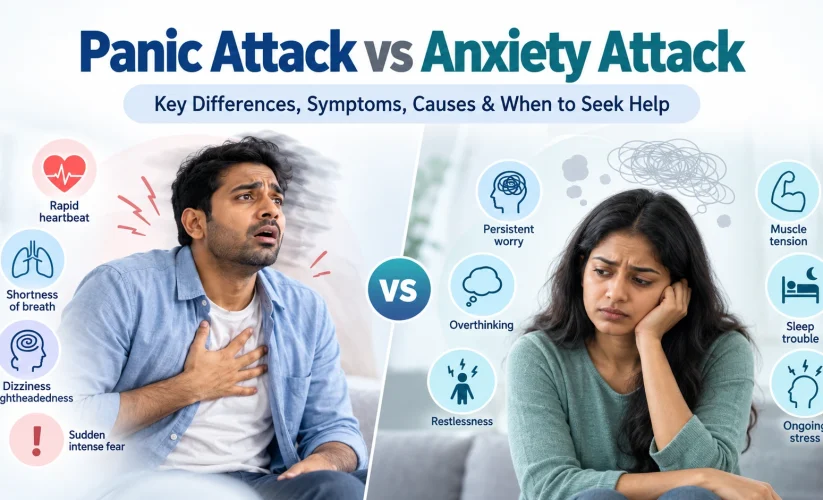
Symptoms can vary from person to person and may include:
- A sudden racing or pounding heartbeat.
- Shortness of breath or a sensation of not getting enough air.
- Chest discomfort or tightness.
- Sweating, trembling, or shaking.
- Dizziness, light-headedness, or weakness.
- Tingling or numbness in the hands or other parts of the body.
- Nausea or abdominal discomfort.
- Chills or hot flushes.
- A feeling of losing control.
- Fear of dying or a sense that something terrible is about to happen.
A panic attack typically reaches its peak within minutes. Some symptoms may settle relatively quickly, although residual anxiety, tiredness, or uneasiness can continue afterwards.
Because panic attacks may cause chest discomfort, breathlessness, and a racing heartbeat, they can resemble certain medical emergencies. New, severe, or unexplained symptoms should not automatically be attributed to anxiety.
What Is an Anxiety Attack?
An anxiety attack is an informal term people use to describe a period of intense anxiety, worry, or emotional overwhelm. Unlike a panic attack, it does not have one universally accepted clinical definition.
Anxiety may build gradually when a person faces ongoing pressure, anticipates a difficult situation, or worries about a possible future event. For example, someone may feel increasingly anxious before an examination, a work presentation, a medical appointment, or a challenging personal conversation.
Anxiety can affect both the mind and the body. It may cause physical discomfort, interfere with concentration, and make ordinary responsibilities feel more difficult.
However, not every episode of anxiety indicates an anxiety disorder. Occasional anxiety is a normal response to uncertainty and stress. Professional assessment may be helpful when anxiety becomes persistent, difficult to manage, or disruptive to daily life.
Common Symptoms of an Anxiety Attack
People describing an anxiety attack may experience:
- Persistent or excessive worrying.
- Restlessness or feeling constantly on edge.
- Difficulty concentrating.
- Muscle tension or headaches.
- A racing heartbeat.
- Sweating or trembling.
- A sensation of breathlessness.
- Stomach discomfort or nausea.
- Irritability.
- Difficulty falling asleep or staying asleep.
- Repeatedly imagining negative outcomes.
- Difficulty relaxing even when no immediate threat is present.
Symptoms may fluctuate depending on the situation. Some people experience a gradual increase in anxiety, while others experience a more intense episode.
Panic Attack vs Anxiety Attack: Key Differences
The main difference between a panic attack and what people commonly call an anxiety attack is the pattern and intensity of symptoms.
A panic attack is generally sudden and intense, whereas an anxiety episode may build over time and remain connected to ongoing worries or perceived threats.
Feature | Panic Attack | Anxiety Attack |
Clinical meaning | A recognised clinical term | An informal, non-diagnostic term |
Onset | Often sudden | May develop gradually |
Intensity | Usually intense and overwhelming | Can range from mild to severe |
Trigger | May occur unexpectedly or in response to a trigger | Often associated with stress, anticipation, or ongoing worry |
Symptoms | Frequently includes a rapid surge of physical and emotional symptoms | Often involves worry, tension, restlessness, and physical discomfort |
Duration | Usually peaks within minutes, although symptoms may last longer | May continue for an extended period or fluctuate with stress |
Main experience | Sudden fear or a sense of immediate danger | Persistent apprehension or feeling overwhelmed |
Clinical significance | May occur alone or as part of a mental health condition | Requires assessment according to the person’s actual symptoms and circumstances |
These differences are general patterns rather than strict rules. Anxiety can be intense, and panic attacks can occur in people who also experience persistent anxiety.
A mental health professional can help distinguish between different symptom patterns and determine whether further assessment is appropriate.
What Causes Panic Attacks and Anxiety Episodes?
There is no single cause of panic attacks or anxiety episodes. They may be influenced by psychological, biological, environmental, and situational factors.
1. Stressful Life Events
Work-related pressure, academic demands, financial concerns, relationship difficulties, family responsibilities, and major life changes may contribute to anxiety.
When stress becomes prolonged or overwhelming, some individuals may experience more intense physical or emotional reactions.
2. Fear of Future Events
Anticipating an examination, public speaking, an important decision, or a medical procedure can increase anxiety. Repeatedly imagining negative outcomes may make the distress more difficult to manage.
3. Previous Distressing Experiences
Past experiences involving danger, loss, or emotional distress may influence how a person responds to certain situations. Particular reminders or circumstances may trigger fear or anxiety in some individuals.
4. Biological and Genetic Factors
Research suggests that biological processes, differences in how the brain responds to perceived threats, and family history may contribute to susceptibility to panic and anxiety disorders. These factors do not determine an individual’s outcome, and their influence varies.
5. Sleep Difficulties and Lifestyle Factors
Insufficient sleep and ongoing physical exhaustion may make it harder to regulate stress. Excessive caffeine or other stimulants may also contribute to sensations such as a racing heartbeat, restlessness, or increased nervousness in some people.
6. Other Mental or Physical Health Conditions
Panic-like or anxiety symptoms may occur alongside different mental health conditions. Certain physical conditions, including thyroid problems and heart or respiratory disorders, may also produce similar symptoms.
A healthcare professional can help evaluate possible contributing factors rather than assuming that all symptoms are psychological.
Can an Anxiety Attack Turn Into a Panic Attack?
Anxiety and panic can overlap, but an anxiety episode does not inevitably develop into a panic attack.
For example, a person who is worried about an upcoming event may experience increasing tension and restlessness. In some circumstances, this distress may escalate into a sudden episode of intense fear with symptoms such as a pounding heartbeat, dizziness, or breathlessness.
However, many people experience anxiety without ever having a panic attack. Similarly, panic attacks can occur unexpectedly without a prolonged period of worry beforehand.
Recognising changes in symptoms may help a person understand their experiences, but it is not enough to establish a diagnosis. If episodes recur or begin affecting daily activities, a professional assessment can help clarify what is happening.
How to Manage Symptoms During a Panic or Anxiety Episode
When intense anxiety or panic occurs, the immediate priority is to remain as safe and comfortable as possible. The following approaches may help some people manage distress, although they do not replace medical assessment when needed.
1. Move to a Safe, Comfortable Place
If possible, sit somewhere safe and reduce unnecessary stimulation. If you are driving, operating machinery, or doing another potentially hazardous activity, stop when it is safe to do so.
2. Try Gentle, Unforced Breathing
Breathe gently and comfortably rather than forcing deep breaths or repeatedly taking large breaths. Allow your breathing to settle at a natural pace. Stop any breathing exercise that makes you feel worse.
3. Focus on Your Immediate Surroundings
Grounding techniques may help redirect attention from frightening thoughts towards the present moment. For example, notice the objects around you, feel your feet against the floor, and identify the sounds you can hear.
4. Avoid Increasing Stimulation
If caffeine or other stimulants appear to worsen your symptoms, consider reducing them. Regular meals, adequate sleep, and balanced daily routines may also support general wellbeing.
5. Seek Support When Needed
Speaking to a trusted person may help you feel less alone during a distressing episode. If symptoms are new, severe, persistent, or recurrent, seek appropriate medical advice rather than relying exclusively on self-management techniques.
These strategies may help reduce distress, but their effectiveness varies. They should not delay urgent medical care when symptoms could indicate a physical emergency.
How Are Panic Attacks and Anxiety Disorders Diagnosed?
There is no single symptom or self-assessment that can reliably distinguish every panic attack from an anxiety-related condition. A healthcare professional considers the person’s symptoms, medical history, the circumstances in which episodes occur, and their impact on everyday functioning.
An assessment may involve:
- Discussing when the symptoms started, how frequently they occur, and how long they last.
- Identifying possible triggers, ongoing stressors, and patterns of avoidance.
- Reviewing relevant medical history, medication use, caffeine intake, and other substances.
- Evaluating whether physical conditions could explain the symptoms.
- Assessing whether the symptoms meet the criteria for a specific mental health condition.
For example, panic disorder involves recurrent, unexpected panic attacks alongside persistent concern about further attacks or changes in behaviour related to them. Generalised anxiety disorder, in contrast, involves excessive and difficult-to-control worry across different areas of life over a prolonged period.
Only a qualified professional can determine whether an individual meets the criteria for a particular diagnosis.
Treatment Options for Panic and Anxiety Symptoms
Treatment depends on the symptoms, their severity, the underlying condition, and the individual’s circumstances. A healthcare professional may recommend psychotherapy, medication, lifestyle adjustments, or a combination of approaches.
Psychotherapy
Psychotherapy involves working with a trained mental health professional to understand and manage emotional distress, thoughts, and behavioural patterns.
Cognitive behavioural therapy (CBT) is one approach that may be used for panic disorder and certain anxiety disorders. It helps people identify unhelpful thinking patterns and develop more adaptive responses to situations that trigger fear or worry.
Other therapeutic approaches may be considered according to the individual’s needs, history, and clinical assessment.
Medication
A psychiatrist or another appropriately qualified medical professional may consider medication when clinically indicated. The choice depends on the diagnosis, symptom pattern, medical history, potential side effects, and other relevant factors.
Medication should be taken only as prescribed. Individuals should not start, stop, or change prescribed medicines without consulting their treating professional.
Lifestyle and Ongoing Support
Lifestyle measures can complement professional treatment. These may include maintaining a regular sleep schedule, engaging in suitable physical activity, reducing excessive caffeine intake, and developing practical ways to manage daily stress.
Support from family members or trusted individuals may also be valuable. However, lifestyle changes alone may not be sufficient when symptoms are persistent or significantly affect daily functioning.
When Should You Seek Professional Help?
Consider consulting a qualified healthcare professional if:
- Panic-like episodes occur repeatedly.
- Anxiety is difficult to control or continues for long periods.
- You avoid work, travel, social activities, or other responsibilities because of fear.
- Worry or panic affects sleep, concentration, relationships, or daily functioning.
- You feel persistently distressed or find it difficult to manage your usual routine.
- You are unsure whether your symptoms are related to anxiety or another medical condition.
Seek emergency medical attention if you experience new or severe chest pain, significant difficulty breathing, fainting, or other symptoms that may indicate a medical emergency. Do not assume that these symptoms are caused by panic, particularly if they are unfamiliar or different from previous episodes.
If you feel at risk of harming yourself or cannot keep yourself safe, seek immediate assistance from local emergency services or a trusted person who can help you access urgent care.
Early assessment can help identify possible causes, clarify the nature of the symptoms, and guide appropriate next steps.
Frequently Asked Questions
1. What is the main difference between a panic attack and an anxiety attack?
A panic attack is a recognised clinical term for a sudden episode of intense fear or discomfort. An anxiety attack is an informal term used to describe a period of heightened anxiety. Panic attacks often peak rapidly, while anxiety may build gradually around ongoing worries or stressful situations.
2. How long does a panic attack last compared with an anxiety attack?
A panic attack typically reaches its peak within minutes, although symptoms and their after-effects may continue for longer. An anxiety episode has no standard duration and may fluctuate or persist depending on the circumstances.
3. Can a panic attack happen without an obvious reason?
Yes. Panic attacks can occur unexpectedly, even when there is no apparent immediate threat. They may also occur in response to specific situations. Recurrent, unexpected panic attacks may warrant assessment for panic disorder.
4. Can anxiety cause physical symptoms?
Yes. Anxiety can cause physical symptoms such as a racing heartbeat, sweating, muscle tension, stomach discomfort, dizziness, and breathlessness. However, these symptoms can also occur with physical health conditions, so they should not automatically be attributed to anxiety.
5. Are panic attacks dangerous?
Panic attacks can feel frightening and may cause intense physical discomfort. However, symptoms such as chest pain, severe breathlessness, or fainting can also indicate a medical emergency. New, severe, or unexplained symptoms require appropriate medical assessment.
6. When should I consult a psychiatrist for panic or anxiety symptoms?
Consider professional assessment if episodes recur, worry becomes difficult to manage, or symptoms interfere with sleep, work, relationships, or daily activities. A psychiatrist can assess the symptoms and discuss appropriate treatment options based on the individual’s needs.
Conclusion
Understanding panic attack vs anxiety attack begins with recognising that the terms describe different patterns of distress. A panic attack is generally a sudden surge of intense fear, while an anxiety episode commonly involves heightened worry or tension that may build over time. Both can involve physical symptoms and can affect everyday functioning.
Although understanding these differences can be useful, symptoms alone cannot establish a diagnosis. Recurrent episodes, persistent anxiety, or symptoms that interfere with daily life deserve appropriate professional assessment. New or severe physical symptoms should be evaluated promptly rather than assumed to be anxiety-related.
With an appropriate assessment and an individualised care plan, people experiencing panic or anxiety symptoms can explore suitable ways to manage their difficulties and support their overall wellbeing.
Medical Disclaimer: This article is intended for general educational purposes only. It does not replace professional medical advice, diagnosis, or treatment. Consult a qualified healthcare professional for an assessment of your symptoms and appropriate guidance.
Contact Details:
Dr. Anjalika Atrey
Best Psychiatrist in Andheri, Mumbai
Address: Plot no. 38, Gulmohar Road, Andheri west, Juhu, Maharashtra 400049
Phone: 097605 91027
Website: thepsychiatrist.in