Understanding Shock: Common Causes, Types, and Warning Symptoms
By adminpsy

Introduction
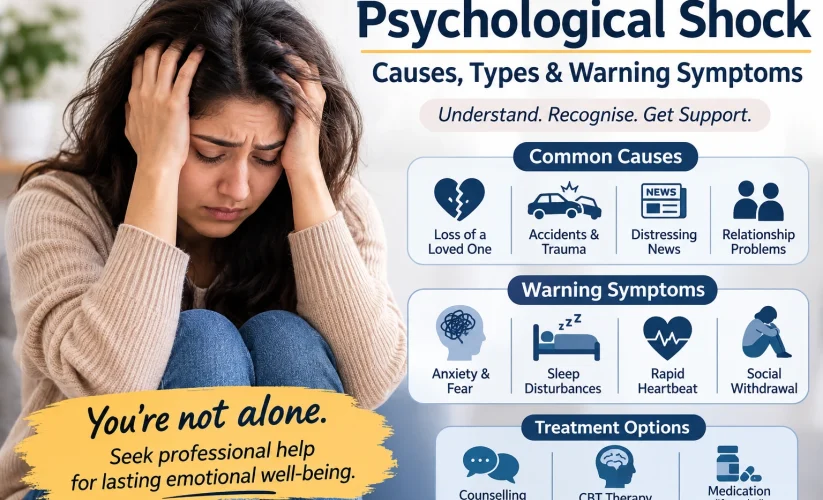
Shock is a sudden emotional and psychological response that can occur when a person experiences an unexpected, frightening, or deeply distressing event. It may affect the way a person thinks, feels, behaves, and responds to their surroundings. Some individuals experience disbelief, emotional numbness, confusion, or intense fear, while others may develop physical symptoms such as trembling, sweating, rapid heartbeat, and difficulty concentrating.
Psychological shock can occur after receiving unexpected news, experiencing the loss of a loved one, witnessing an accident, facing relationship difficulties, or going through a traumatic situation. Although these reactions are often temporary, some individuals may continue experiencing distress that affects their everyday lives.
Understanding shock, its common causes, different psychological responses, and warning symptoms can help individuals recognise when they may need emotional support or professional mental health care.
What Is Psychological Shock?
Psychological shock refers to an intense emotional and mental reaction to an unexpected or overwhelming experience. It occurs when an individual struggles to process an event that challenges their sense of safety, stability, or emotional well-being.
Unlike ordinary stress, which may develop gradually due to ongoing pressures, psychological shock can occur suddenly after a distressing experience.
During such situations, the brain activates its natural survival response, commonly known as the fight, flight, or freeze response. This response prepares the body to deal with a perceived threat.
A person experiencing psychological shock may:
- Feel emotionally numb or disconnected.
- Struggle to understand or accept what has happened.
- Experience fear, anxiety, or helplessness.
- Find it difficult to concentrate or make decisions.
- Feel physically restless, shaky, or overwhelmed.
- Withdraw from conversations and social interactions.
Psychological shock affects individuals differently. Some people may recover naturally with time and support, while others may develop longer-lasting stress-related symptoms.
Important: Psychological shock is not the same as medical or circulatory shock. Circulatory shock is a life-threatening medical emergency involving inadequate blood circulation to vital organs and requires immediate emergency treatment.
What Are the Common Causes of Psychological Shock?
Psychological shock can develop after different types of emotionally overwhelming experiences. The intensity of the reaction depends on the nature of the event, personal circumstances, previous experiences, and available emotional support.
Some common causes include:
1. Sudden Loss of a Loved One
The unexpected death of a family member, partner, or close friend can cause intense emotional shock. Individuals may initially struggle to accept the loss and experience disbelief, numbness, sadness, or confusion.
Common reactions include:
- Difficulty accepting the reality of the loss.
- Feeling emotionally disconnected.
- Sudden crying or emotional outbursts.
- Changes in sleep and appetite.
- Difficulty concentrating on daily responsibilities.
Grief is a natural response to loss, and individuals may require time and emotional support to process their feelings.
2. Accidents and Traumatic Experiences
Being involved in or witnessing a serious accident can create an overwhelming psychological response. The experience may affect an individual’s sense of safety and lead to persistent fear or anxiety.
Examples include:
- Road traffic accidents.
- Workplace injuries.
- Physical assaults.
- Natural disasters.
- Witnessing violence or serious injuries.
Some individuals may repeatedly remember the incident, experience nightmares, or avoid places and situations associated with the traumatic event.
3. Unexpected or Distressing News
Receiving sudden and unexpected news can cause emotional shock, particularly when it involves a significant change in personal circumstances.
Examples include:
- A serious medical diagnosis.
- Sudden job loss.
- Unexpected financial difficulties.
- Relationship breakdowns.
- Family emergencies.
People may initially experience disbelief, confusion, fear, or difficulty making decisions.
4. Relationship Problems and Separation
Relationship difficulties, divorce, separation, betrayal, or the sudden end of a meaningful relationship can trigger intense emotional distress.
Such experiences may lead to:
- Feelings of rejection or abandonment.
- Emotional instability.
- Persistent sadness and anxiety.
- Loss of confidence.
- Difficulty trusting others.
When these feelings remain intense or begin affecting everyday functioning, professional mental health support may be helpful.
5. Childhood Trauma or Emotional Abuse
Distressing experiences during childhood can affect emotional development and influence how individuals respond to stress later in life.
Examples include:
- Childhood neglect.
- Physical or emotional abuse.
- Exposure to domestic violence.
- Bullying.
- Loss of a parent or caregiver.
Unresolved traumatic experiences may contribute to difficulties with emotional regulation, relationships, anxiety, and self-confidence.
6. Severe Stress and Unexpected Life Changes
Major life changes can sometimes overwhelm an individual’s ability to cope, particularly when several stressful situations occur together.
Examples include:
- Relocation to an unfamiliar environment.
- Academic or professional setbacks.
- Financial instability.
- Sudden family responsibilities.
- Long-term caregiving pressures.
Although these situations may not affect everyone in the same way, they can contribute to significant emotional distress.
What Are the Different Types of Psychological Shock and Trauma Responses?
Psychological shock does not have a universally recognised classification into fixed medical types. However, people may experience different acute and longer-term psychological responses following traumatic or distressing events.
Understanding these responses can help identify when additional support may be required.
1. Acute Stress Reaction
An acute stress reaction is a short-term psychological response that develops after an overwhelming or traumatic experience.
It may occur immediately or shortly after the event. Individuals may experience confusion, emotional numbness, fear, anxiety, or difficulty processing information.
Common symptoms include:
- Increased heart rate.
- Trembling and sweating.
- Difficulty concentrating.
- Feeling overwhelmed or disconnected.
- Sleep disturbances.
- Repeated thoughts about the incident.
These reactions often improve naturally as the individual feels safer and begins processing the experience.
2. Acute Stress Disorder
Acute Stress Disorder (ASD) is a recognised mental health condition that can develop following exposure to a traumatic event.
Unlike a temporary emotional reaction, ASD involves a combination of symptoms that cause significant distress or interfere with daily functioning.
Symptoms may include:
- Intrusive memories or flashbacks.
- Disturbing dreams.
- Avoidance of reminders associated with the traumatic event.
- Negative emotional states.
- Difficulty experiencing positive emotions.
- Feelings of detachment or unreality.
- Increased alertness and irritability.
Symptoms develop within the first month following trauma and may persist for several weeks. A mental health professional assesses the symptoms and their duration before making a diagnosis.
3. Post-Traumatic Stress Disorder (PTSD)
Post-Traumatic Stress Disorder is a mental health condition that may develop after experiencing or witnessing a traumatic event.
Unlike temporary psychological shock, PTSD involves persistent symptoms that interfere with an individual’s daily life.
Common symptoms include:
- Repeated flashbacks and unwanted memories.
- Nightmares related to the traumatic experience.
- Avoidance of people, places, or situations associated with the event.
- Persistent fear, anxiety, or emotional distress.
- Difficulty sleeping.
- Feeling constantly alert or threatened.
- Emotional detachment and social withdrawal.
PTSD can develop after serious accidents, violence, abuse, disasters, or other traumatic experiences. Symptoms may begin soon after the event or appear later.
4. Dissociative Responses
Dissociation refers to a disruption in the normal connection between a person’s thoughts, memories, feelings, or sense of identity.
Some individuals may experience dissociative symptoms during or after overwhelming experiences.
These may include:
- Feeling disconnected from one’s surroundings.
- Feeling as though an experience is unreal.
- Feeling detached from one’s body.
- Difficulty remembering certain details of an event.
- Experiencing emotional numbness.
Dissociation can occur in different mental health conditions and requires appropriate clinical assessment when persistent or distressing.
What Are the Warning Symptoms of Psychological Shock?
Recognising the warning symptoms of psychological shock is important because emotional distress may not always be immediately visible.
Symptoms can affect emotional health, thinking patterns, physical sensations, and everyday behaviour.
1. Emotional Numbness
An individual may feel emotionally disconnected or unable to express their feelings. They may struggle to experience happiness, sadness, or other emotions normally.
2. Confusion and Disorientation
Some people may find it difficult to understand what has happened or process information following an overwhelming event.
They may struggle to make decisions, follow conversations, or remember details.
3. Intense Fear and Anxiety
A person may experience persistent fear, nervousness, or a sense that something bad is about to happen, even when the immediate threat has passed.
4. Rapid Heartbeat and Sweating
The body’s stress response can cause physical symptoms such as a racing heartbeat, sweating, trembling, and rapid breathing.
These symptoms may occur even when a person is physically safe.
5. Difficulty Sleeping
Psychological distress can interfere with normal sleep patterns. Individuals may experience difficulty falling asleep, frequent waking, disturbing dreams, or nightmares.
6. Social Withdrawal
Some individuals may avoid conversations, family gatherings, or social activities because they feel overwhelmed or unable to discuss their experiences.
7. Repeated Thoughts and Flashbacks
Distressing memories may repeatedly enter a person’s mind. In some cases, reminders of the event can trigger intense emotional and physical reactions.
8. Irritability and Mood Changes
Psychological shock may affect emotional regulation, leading to increased irritability, frustration, anger, crying, or sudden mood changes.
Summary of Common Warning Symptoms
Treatment option | Main purpose | Important considerations |
Cognitive behavioural therapy | Addresses unhelpful thoughts and behaviours associated with social fear | Requires active participation and regular practice |
Exposure-based therapy | Helps individuals gradually face feared social situations | Should be planned at a manageable pace with appropriate guidance |
Guided self-help | Provides structured exercises and educational support | May not be sufficient for everyone |
Medication | May reduce symptoms of social anxiety | Requires medical assessment and monitoring |
Combined treatment | Addresses symptoms through more than one approach | The plan should be individualised and reviewed regularly |
Not everyone experiences the same symptoms. Their intensity and duration may vary depending on the individual’s circumstances and the nature of the distressing event.
How Does Psychological Shock Affect Mental Health?
An overwhelming emotional experience can influence several aspects of mental well-being. While many individuals gradually recover, prolonged psychological distress may contribute to other mental health difficulties.
Some possible effects include:
Anxiety Disorders: Persistent fear and heightened alertness may contribute to anxiety symptoms, particularly when individuals continue feeling unsafe.
Depression: Prolonged emotional distress, hopelessness, loss of interest, and social withdrawal may increase the risk of depressive symptoms.
Post-Traumatic Stress Disorder: Some individuals develop PTSD following traumatic experiences, particularly when symptoms persist and interfere with everyday functioning.
Sleep Disturbances: Repeated memories, nightmares, and anxiety can disrupt sleep and contribute to fatigue and reduced concentration.
Relationship Difficulties: Emotional withdrawal, irritability, and difficulty trusting others may affect personal and professional relationships.
Early recognition of these difficulties can help individuals access appropriate mental health support.
How Is Psychological Shock Diagnosed?
Psychological shock and trauma-related conditions are evaluated through a comprehensive mental health assessment.
A psychiatrist or qualified mental health professional may consider:
1. Medical and Psychological History
The professional may ask about the distressing experience, previous mental health concerns, current symptoms, and personal circumstances.
2. Assessment of Symptoms
The evaluation may include questions about:
- Emotional changes.
- Sleep patterns.
- Anxiety and fear.
- Memory and concentration.
- Behavioural changes.
- The effect of symptoms on daily activities.
3. Assessment of Trauma-Related Conditions
If symptoms suggest Acute Stress Disorder, PTSD, depression, or an anxiety disorder, further clinical assessment may be recommended.
There is no single blood test or imaging investigation that confirms psychological shock. Diagnosis primarily depends on clinical evaluation and recognised diagnostic criteria.
How Is Psychological Shock Treated?
Treatment depends on the individual’s symptoms, the nature of the distressing experience, and whether an associated mental health condition has developed.
Common approaches include:
1. Psychological Counselling
Counselling provides a supportive environment where individuals can discuss their experiences, understand their emotions, and develop healthier coping strategies.
2. Cognitive Behavioural Therapy (CBT)
CBT helps individuals identify unhelpful thought patterns and develop healthier ways of responding to distressing situations.
Trauma-focused CBT may be recommended for certain trauma-related conditions.
3. Eye Movement Desensitisation and Reprocessing (EMDR)
EMDR is a structured psychotherapy used for PTSD. It helps individuals process distressing traumatic memories under the guidance of a trained mental health professional.
4. Medication When Required
Depending on the diagnosis and severity of symptoms, a psychiatrist may recommend medication to manage associated conditions such as depression, anxiety, or PTSD.
Medication decisions should always be based on an individual clinical assessment.
5. Emotional and Social Support
Support from trusted family members and friends can help individuals feel safer and less isolated.
A supportive environment can encourage gradual recovery without forcing someone to discuss an experience before they feel ready.
When Should You Consult a Psychiatrist?
Temporary emotional distress following a difficult experience does not automatically indicate a mental health disorder. However, professional evaluation may be important when symptoms are severe, persistent, or interfere with daily functioning.
Consider consulting a psychiatrist if you experience:
- Persistent anxiety or emotional distress.
- Repeated flashbacks or disturbing memories.
- Difficulty sleeping for an extended period.
- Significant changes in mood or behaviour.
- Difficulty concentrating at work or in daily activities.
- Social withdrawal or isolation.
- Persistent feelings of hopelessness or helplessness.
- Symptoms that interfere with relationships and everyday responsibilities.
If someone has thoughts of suicide, self-harm, or feels unable to remain safe, seek immediate professional or emergency assistance.
Frequently Asked Questions About Psychological Shock
1. What is the difference between psychological shock and stress?
Stress is generally a response to mental or emotional pressure and may develop gradually. Psychological shock is usually associated with an unexpected or overwhelming experience that causes an intense immediate emotional reaction.
2. How long does psychological shock last?
The duration varies from person to person. Some individuals begin feeling better within hours or days, while others may experience symptoms for several weeks or longer. Persistent symptoms require professional assessment.
3. Can psychological shock cause physical symptoms?
Yes. Emotional distress can activate the body’s stress response, resulting in trembling, sweating, rapid heartbeat, headaches, muscle tension, and sleep disturbances. New or severe physical symptoms should not automatically be attributed to anxiety and may require medical assessment.
4. Can psychological shock lead to PTSD?
Not everyone who experiences psychological shock develops PTSD. However, some individuals may develop PTSD following a traumatic experience, particularly when trauma-related symptoms persist and affect daily functioning.
5. Is psychological shock a mental illness?
Psychological shock is a general term describing an intense emotional response, rather than a specific psychiatric diagnosis. Depending on the symptoms and their duration, a person may be diagnosed with Acute Stress Disorder, PTSD, or another mental health condition.
6. Can psychological shock be treated?
Yes. Depending on the individual’s condition, treatment may include counselling, psychotherapy, trauma-focused CBT, EMDR, and medication when clinically indicated.
7. When should someone seek professional help after a traumatic experience?
Professional support is recommended when emotional distress becomes difficult to manage, symptoms persist or worsen, or daily functioning is affected. Immediate assistance is necessary if there is a risk of self-harm or suicide.
Conclusion
Psychological shock is an intense emotional response that can develop after unexpected, frightening, or traumatic experiences. It may affect an individual’s thoughts, emotions, physical well-being, sleep, and everyday behaviour.
Recognising common causes, understanding different trauma-related responses, and identifying warning symptoms can help individuals recognise when additional support may be necessary. Although many people recover naturally with time and emotional support, persistent symptoms should not be ignored.
Seeking professional mental health guidance can help individuals understand their experiences, manage distress, and work towards emotional recovery.
At Dr. Anjalika Atrey’s psychiatric practice, individuals experiencing persistent emotional distress, anxiety, or trauma-related symptoms can seek professional psychiatric evaluation to understand their concerns and explore appropriate treatment options. Taking the first step towards mental health support can make a meaningful difference in the recovery process.
Medical Disclaimer: This article is intended for general educational purposes only and does not replace professional medical advice, diagnosis, or treatment. If you are experiencing severe emotional distress or a mental health emergency, seek immediate professional assistance.
Contact Details:
Dr. Anjalika Atrey
Best Psychiatrist in Andheri, Mumbai
Address: Plot no. 38, Gulmohar Road, Andheri west, Juhu, Maharashtra 400049
Phone: 097605 91027
Website: thepsychiatrist.in