Types of Sleep Disorders: Common Conditions, Symptoms, and Treatment Options
By adminpsy

Introduction
Sleep is essential for maintaining physical health, emotional well-being, memory, and concentration. However, many people experience difficulties falling asleep, staying asleep, or maintaining a regular sleep schedule. While occasional sleep disturbances are common, persistent problems may indicate an underlying sleep disorder that requires medical attention.
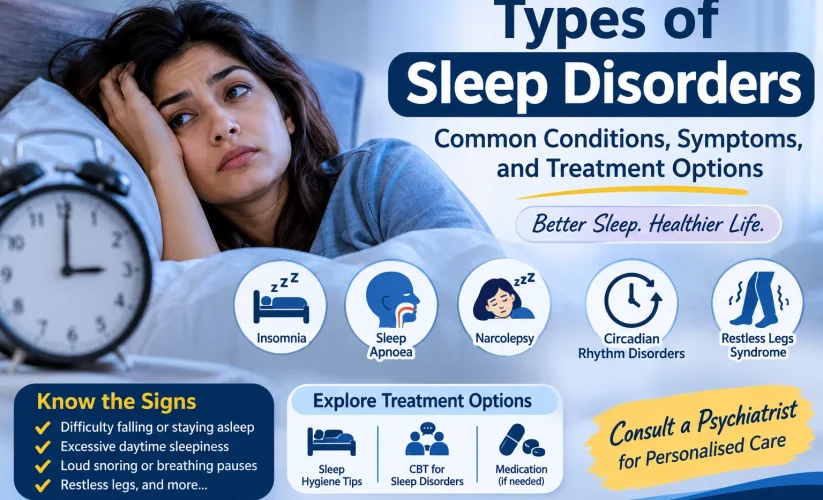
There are several types of sleep disorders, and each can affect the quality, duration, and timing of sleep differently. Conditions such as insomnia, sleep apnoea, restless legs syndrome, narcolepsy, and circadian rhythm sleep disorders can interfere with daily activities and affect mental health.
Understanding the different types of sleep disorders, their symptoms, causes, and available treatment options can help individuals recognise potential problems and seek appropriate professional support.
What Are Sleep Disorders?
Sleep disorders are medical conditions that affect a person’s ability to sleep normally or remain awake during the day. They can interfere with the quality, timing, duration, or regularity of sleep, often resulting in daytime fatigue and difficulties with concentration, memory, and emotional regulation.
Most adults generally require around seven to nine hours of sleep each night, although individual requirements may vary.
Sleep disorders can develop due to several factors, including psychological stress, medical conditions, lifestyle habits, neurological problems, and disruptions in the body’s internal biological clock.
Common signs of sleep disorders include:
- Difficulty falling asleep at night.
- Frequently waking up during the night.
- Waking up too early and being unable to return to sleep.
- Excessive daytime sleepiness.
- Feeling tired even after sleeping for several hours.
- Difficulty concentrating or remembering information.
- Irritability, anxiety, and changes in mood.
- Unusual movements or behaviours during sleep.
Persistent sleep difficulties should not be ignored, particularly when they begin affecting work, relationships, or everyday functioning.
What Are the Different Types of Sleep Disorders?
There are several recognised types of sleep disorders, each involving different problems with sleep patterns or wakefulness. Understanding their characteristics can help individuals identify symptoms and seek appropriate evaluation.
The most common types of sleep disorders include:
1. Insomnia
Insomnia is one of the most common sleep disorders. It involves difficulty falling asleep, staying asleep, or returning to sleep after waking up during the night.
People with insomnia may have sufficient time and a suitable environment for sleeping but still struggle to obtain restful sleep.
Common symptoms of insomnia:
- Difficulty falling asleep despite feeling tired.
- Frequently waking up during the night.
- Waking up earlier than intended.
- Feeling tired or unrefreshed in the morning.
- Difficulty concentrating during the day.
- Increased irritability and emotional sensitivity.
- Reduced energy and motivation.
Common causes:
Insomnia may develop due to psychological, medical, or lifestyle-related factors, such as:
- Anxiety and excessive worrying.
- Depression and emotional distress.
- Work-related or financial stress.
- Irregular sleeping schedules.
- Excessive caffeine consumption.
- Certain medications.
- Chronic pain or other medical conditions.
Insomnia may be short-term or chronic. Chronic insomnia involves sleep difficulties occurring at least three nights per week for three months or longer, along with associated daytime impairment.
Treatment options:
Treatment may include Cognitive Behavioural Therapy for Insomnia (CBT-I), relaxation techniques, improvements in sleep habits, and medication when clinically appropriate. CBT-I is an established treatment that helps individuals identify and change thoughts and behaviours contributing to persistent insomnia.
2. Sleep Apnoea
Sleep apnoea is a sleep-related breathing disorder in which breathing repeatedly becomes reduced or stops temporarily during sleep.
These interruptions can prevent the brain and body from receiving adequate oxygen and repeatedly disturb normal sleep patterns.
There are two major types:
- Obstructive Sleep Apnoea (OSA): Occurs when the upper airway becomes partially or completely blocked during sleep.
- Central Sleep Apnoea (CSA): Occurs when the brain does not consistently send the appropriate signals to control breathing.
Common symptoms of sleep apnoea:
- Loud and frequent snoring.
- Pauses in breathing noticed by another person.
- Waking up suddenly while gasping or choking.
- Morning headaches.
- Excessive daytime sleepiness.
- Difficulty concentrating.
- Dry mouth upon waking.
Common risk factors:
- Excess body weight.
- Certain anatomical features affecting the upper airway.
- Family history of sleep apnoea.
- Alcohol consumption, particularly before bedtime.
- Certain medical conditions.
Treatment options:
Treatment depends on the type and severity of sleep apnoea. Options may include lifestyle modifications, Continuous Positive Airway Pressure (CPAP) therapy, oral appliances, and selected surgical procedures.
People experiencing loud snoring alongside breathing interruptions or excessive daytime sleepiness should seek medical evaluation.
3. Narcolepsy
Narcolepsy is a neurological sleep disorder characterised by excessive daytime sleepiness and difficulty regulating the normal sleep-wake cycle.
Individuals with narcolepsy may experience sudden and overwhelming urges to sleep, even after getting adequate sleep at night.
Some people also experience cataplexy, which involves a sudden loss of muscle tone triggered by strong emotions such as laughter, excitement, or surprise.
Common symptoms of narcolepsy:
- Excessive daytime sleepiness.
- Sudden episodes of falling asleep.
- Difficulty maintaining alertness.
- Sleep paralysis.
- Vivid dream-like experiences while falling asleep or waking up.
- Cataplexy in certain individuals.
- Disturbed nighttime sleep.
Possible causes:
Narcolepsy is associated with problems in the brain systems responsible for regulating sleep and wakefulness. In narcolepsy type 1, reduced levels of hypocretin (orexin), a chemical involved in maintaining wakefulness, are an important feature.
Treatment options:
Although narcolepsy does not currently have a definitive cure, symptoms can be managed through prescribed medication, structured sleep schedules, planned daytime naps, and lifestyle adjustments.
Early diagnosis can help individuals manage symptoms and maintain their daily routines safely.
4. Restless Legs Syndrome (RLS)
Restless Legs Syndrome is a sleep-related movement disorder that causes an uncomfortable sensation in the legs and an uncontrollable urge to move them.
Symptoms typically become more noticeable during periods of rest, particularly in the evening or at night. Movement may provide temporary relief.
Common symptoms include:
- Tingling, crawling, or pulling sensations in the legs.
- An uncomfortable urge to move the legs.
- Symptoms becoming worse while sitting or lying down.
- Difficulty falling asleep.
- Repeated sleep interruptions.
- Daytime fatigue due to poor sleep.
Possible causes and contributing factors:
RLS may be associated with iron deficiency, pregnancy, kidney disease, certain medications, and genetic factors. Changes in the brain’s dopamine-related pathways may also play a role.
Treatment options:
Treatment depends on the underlying cause and severity of symptoms. It may include:
- Checking and correcting iron deficiency when present.
- Regular physical activity.
- Maintaining consistent sleeping habits.
- Reducing caffeine intake.
- Medication when recommended by a healthcare professional.
Persistent symptoms should be evaluated because they can significantly interfere with sleep quality.
5. Circadian Rhythm Sleep Disorders
Circadian rhythm sleep disorders occur when the body’s internal biological clock becomes misaligned with the usual day-night cycle or the person’s required sleep schedule.
The circadian rhythm regulates several body functions, including sleep, wakefulness, hormone release, and body temperature.
Individuals with these disorders may be unable to fall asleep or wake up at the times required by their daily routine.
Common types include:
- Delayed Sleep-Wake Phase Disorder: A person naturally falls asleep much later than desired and struggles to wake up at conventional morning hours.
- Advanced Sleep-Wake Phase Disorder: A person becomes sleepy unusually early in the evening and wakes up very early.
- Shift Work Sleep Disorder: Occurs when working schedules interfere with the body’s natural sleep-wake cycle.
- Jet Lag Disorder: Develops when travelling across different time zones disrupts the internal biological clock.
Common symptoms:
- Difficulty sleeping at socially expected times.
- Excessive daytime sleepiness.
- Irregular sleeping patterns.
- Difficulty waking up for work or school.
- Reduced concentration and productivity.
Treatment options:
Treatment may include maintaining a consistent sleep schedule, appropriately timed exposure to bright light, behavioural interventions, and melatonin when recommended by a healthcare professional.
6. Parasomnias
Parasomnias are sleep disorders involving unusual behaviours, movements, emotions, or experiences during sleep or while transitioning between sleep and wakefulness.
These conditions can occur during different stages of sleep and may sometimes be disturbing for the affected individual or their family members.
Common types of parasomnias include:
Sleepwalking: A person performs activities such as walking or moving around while remaining asleep. They may have little or no memory of the episode.
Night Terrors: These involve sudden episodes of intense fear, screaming, sweating, or physical agitation during sleep. They are more common in children.
Nightmares: Disturbing dreams can cause a person to wake up feeling frightened or distressed. Frequent nightmares may be associated with stress, anxiety, trauma, or other sleep-related conditions.
Sleep Talking: A person speaks during sleep without being fully aware of the conversation.
REM Sleep Behaviour Disorder: A person physically acts out dreams because the normal muscle paralysis that occurs during REM sleep is impaired. This may involve shouting, kicking, punching, or other movements.
Treatment options:
Treatment depends on the specific parasomnia and its underlying cause. It may involve improving sleep habits, ensuring a safe sleeping environment, managing stress, reviewing medications, and seeking specialist assessment when episodes are frequent, violent, or potentially harmful.
7. Hypersomnia and Excessive Daytime Sleepiness
Hypersomnolence disorders involve excessive daytime sleepiness or an increased need for sleep despite having adequate opportunities for nighttime rest.
Individuals may struggle to remain awake, feel persistently exhausted, or require unusually long sleeping periods.
One example is idiopathic hypersomnia, in which individuals experience persistent excessive sleepiness without a clearly identified underlying cause.
Common symptoms include:
- Difficulty staying awake during the day.
- Sleeping for unusually long periods.
- Feeling unrefreshed after waking up.
- Difficulty becoming fully alert in the morning.
- Poor concentration and memory.
- Unplanned daytime naps.
Treatment options:
Treatment depends on the underlying diagnosis. It may involve structured sleep schedules, behavioural changes, and prescribed medication to improve wakefulness.
Persistent daytime sleepiness should be assessed because it may also occur due to sleep apnoea, insufficient sleep, medication effects, depression, or other medical conditions.
Comparison of the Different Types of Sleep Disorders
Type of Sleep Disorder | Main Symptoms | Common Treatment Approaches |
Insomnia | Difficulty falling or staying asleep | CBT-I, sleep habit changes |
Sleep Apnoea | Snoring and interrupted breathing | CPAP, oral appliances |
Narcolepsy | Excessive daytime sleepiness | Medication, planned naps |
Restless Legs Syndrome | Uncomfortable leg sensations and urge to move | Iron correction when needed, medication |
Circadian Rhythm Disorders | Irregular sleep-wake timing | Light therapy, schedule adjustments |
Parasomnias | Unusual behaviours during sleep | Safety measures, condition-specific treatment |
Hypersomnia | Excessive daytime sleepiness | Clinical evaluation, prescribed medication |
How Are Sleep Disorders Connected to Mental Health?
Sleep and mental health are closely connected. Sleep difficulties can contribute to emotional distress, while mental health conditions can also interfere with normal sleeping patterns.
Some important connections include:
Anxiety and Sleep Disorders: People experiencing anxiety may struggle with racing thoughts, excessive worrying, and physical restlessness at bedtime. These symptoms can make it difficult to fall asleep or maintain uninterrupted sleep.
Depression and Insomnia: Depression may affect sleep patterns, causing difficulty falling asleep, frequent waking, early morning awakening, or excessive sleeping. Persistent sleep disturbances can also worsen depressive symptoms.
Stress and Sleep Quality: Ongoing stress can activate the body’s stress response, making it difficult to relax and maintain healthy sleeping habits.
Trauma and Nightmares: Individuals experiencing trauma-related conditions may develop nightmares, flashbacks, and disturbed sleep.
Because these conditions can influence one another, a comprehensive mental health assessment may be beneficial when sleep difficulties occur alongside persistent anxiety, depression, or emotional distress.
How Are Sleep Disorders Diagnosed?
Diagnosing sleep disorders involves understanding an individual’s sleeping habits, symptoms, medical history, and overall health.
A doctor or sleep specialist may recommend the following assessments:
- Sleep History: The doctor may ask about bedtime routines, sleep duration, nighttime awakenings, daytime fatigue, and lifestyle habits.
- Sleep Diary: Maintaining a sleep diary for approximately two weeks can help identify irregular sleeping patterns and possible triggers.
- Clinical Assessment: A medical or psychiatric evaluation may help identify underlying conditions such as anxiety, depression, or other health concerns affecting sleep.
- Polysomnography (Sleep Study): This test records brain activity, breathing, heart rate, oxygen levels, and body movements during sleep. It is commonly used to investigate sleep apnoea and certain other sleep disorders.
- Additional Sleep Tests: Depending on the suspected condition, doctors may recommend tests such as the Multiple Sleep Latency Test (MSLT), which evaluates daytime sleepiness and how quickly a person falls asleep during scheduled naps.
The appropriate investigations depend on the symptoms and suspected sleep disorder.
What Are the Treatment Options for Sleep Disorders?
Treatment varies depending on the type, cause, and severity of the sleep disorder. A personalised treatment approach may include:
- Cognitive Behavioural Therapy (CBT): Helps address thoughts and behaviours that contribute to sleep difficulties. CBT-I is specifically designed for insomnia.
- Medication: Certain prescribed medicines may help manage insomnia, narcolepsy, or other diagnosed sleep conditions.
- Relaxation Techniques: Breathing exercises, mindfulness, and relaxation practices may help reduce bedtime anxiety.
- Lifestyle Modifications: Regular exercise, consistent sleep schedules, and reducing caffeine intake can support better sleep.
- Treatment of Underlying Conditions: Managing depression, anxiety, chronic pain, or other medical conditions may improve sleep quality.
- Specialised Sleep Treatments: CPAP therapy, light therapy, and other targeted interventions may be recommended for specific disorders.
Medication should always be taken under appropriate medical supervision. Sleeping pills or supplements should not be started or continued without professional advice.
When Should You Consult a Psychiatrist for Sleep Problems?
Occasional sleep disturbances are common. However, persistent sleep difficulties may require professional evaluation, particularly when they begin affecting emotional health and everyday functioning.
Consider consulting a psychiatrist if you experience:
- Difficulty sleeping regularly despite following a consistent routine.
- Persistent anxiety or excessive worrying at bedtime.
- Frequent waking accompanied by emotional distress.
- Ongoing low mood or symptoms of depression.
- Irritability and difficulty managing emotions.
- Reduced concentration and productivity due to poor sleep.
- Sleep disturbances associated with traumatic experiences.
- Persistent fatigue that affects your quality of life.
A psychiatrist can assess whether an underlying mental health condition is contributing to sleep difficulties and recommend suitable treatment. Symptoms such as loud snoring, breathing interruptions, or sudden sleep attacks may also require assessment by a sleep medicine specialist.
Frequently Asked Questions About Types of Sleep Disorders
1. What are the most common types of sleep disorders?
Some common sleep disorders include insomnia, sleep apnoea, narcolepsy, restless legs syndrome, circadian rhythm sleep disorders, parasomnias, and hypersomnolence disorders.
2. Can anxiety cause sleep disorders?
Yes. Anxiety can contribute to insomnia and other sleep disturbances. Excessive worrying, racing thoughts, and physical restlessness may make it difficult to fall asleep or stay asleep.
3. What is the difference between insomnia and hypersomnia?
Insomnia involves difficulty falling asleep or staying asleep, whereas hypersomnia involves excessive daytime sleepiness or an increased need for sleep despite adequate sleep opportunities.
4. Can sleep disorders affect mental health?
Yes. Poor sleep can affect emotional regulation, concentration, memory, and stress management. Persistent sleep disturbances may contribute to or worsen symptoms of anxiety and depression.
5. Are sleep disorders treatable?
Most sleep disorders can be managed with appropriate treatment. Depending on the condition, treatment may include psychotherapy, medication, lifestyle modifications, sleep studies, or specialised therapies.
6. When should I seek medical help for sleep problems?
You should seek professional advice when sleep difficulties persist, affect your daily activities, cause excessive daytime sleepiness, or occur alongside symptoms of anxiety or depression.
7. How many hours of sleep do adults need?
Most adults generally need seven to nine hours of sleep each night. However, individual sleep requirements may vary depending on age, health, and personal circumstances.
Conclusion
Understanding the different types of sleep disorders is an important step towards recognising sleep-related problems and protecting overall health. Conditions such as insomnia, sleep apnoea, narcolepsy, restless legs syndrome, circadian rhythm disorders, and parasomnias can affect sleep quality and interfere with everyday functioning.
Sleep disorders can also be closely associated with mental health conditions, including anxiety and depression. Identifying the underlying cause is essential for selecting the right treatment and improving long-term well-being.
If persistent sleep difficulties are affecting your mood, concentration, relationships, or daily routine, seeking professional guidance can help you understand your symptoms and explore appropriate treatment options.
At Dr. Anjalika Atrey’s psychiatric practice, individuals experiencing sleep-related difficulties alongside anxiety, depression, or other emotional concerns can seek professional psychiatric evaluation and guidance. Understanding the connection between sleep and mental health is an important step towards improving overall well-being.
Medical Disclaimer: This article is intended for general educational purposes only and should not be considered a substitute for professional medical advice, diagnosis, or treatment. Consult a qualified healthcare professional for persistent sleep difficulties or concerns about your mental health.
Contact Details:
Dr. Anjalika Atrey
Best Psychiatrist in Andheri, Mumbai
Address: Plot no. 38, Gulmohar Road, Andheri west, Juhu, Maharashtra 400049
Phone: 097605 91027
Website: thepsychiatrist.in